
CORPORATIONS TURNING TO COMMUNITY-DRIVEN ORGANIZATIONS TO SOLVE SOCIOECONOMIC CHALLENGES
Aligning Corporate Goals with Community-Based Innovation for Lasting Change
Across the United States, corporations are reexamining how they address workforce and health disparities in urban communities. Traditional approaches, often driven by philanthropy or internally designed initiatives, including economic development efforts, have struggled to produce sustained outcomes in environments shaped by complex socioeconomic barriers.
Now more than ever, companies are recognizing that meaningful progress requires partnerships with organizations operating within the communities they seek to impact.
“When we can find ways to serve more people, it’s through our community,” said Jody Korte, AVP Community Partners and Strategies, CareSource. “It’s also through partners that we trust.”
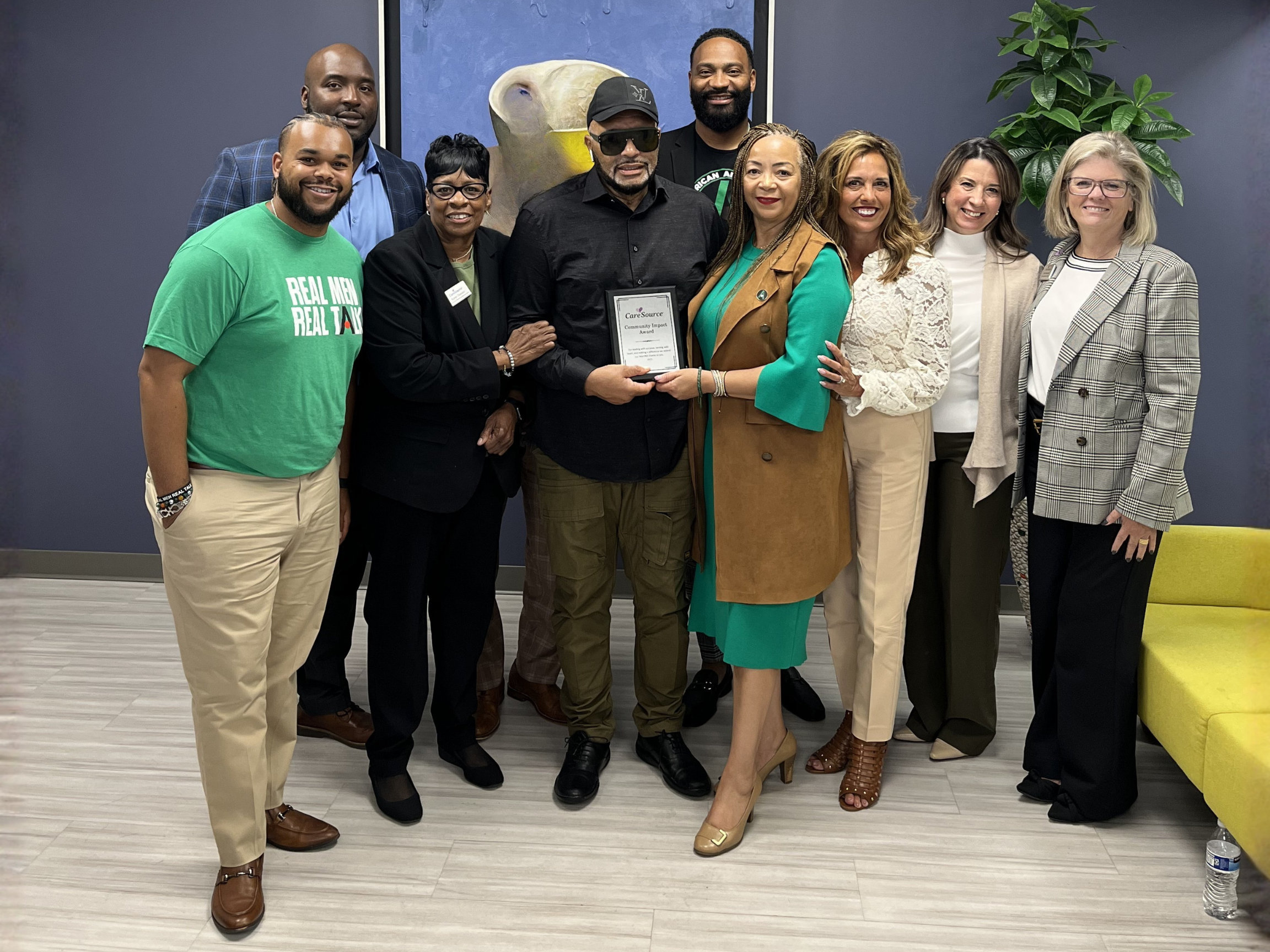
(Photo Caption: Drs. John & Pamela Gregory accepting the Community Impact Award from CareSource.)
CareSource and the National Center for Urban Solutions (NCUS), a social enterprise headquartered in Columbus, Ohio, have a long-standing partnership that serves as a blueprint to overcome socioeconomical challenges. According to Grassroots Innovation Movements, solutions developed closest to the problem are often more responsive and sustainable over time.
By engaging with community members every day, NCUS spots emerging needs early and pilots interventions that can be refined on the fly, a method that large hierarchical companies and institutions have trouble implementing due to the levels of bureaucracy and slow decision-making.
“Seeing challenges unfold firsthand every day enables us to act quickly and develop solutions that work for the people we serve, instead of waiting for data to be reviewed by multiple people and finally getting the yes from the ultimate decision-maker,” said John Gregory, CEO of NCUS.
Rather than tackling socioeconomic challenges like workforce readiness and population health on their own, two issues directly tied to business performance, corporations are increasingly directing funds from their foundations and corporate social responsibility budgets to NCUS, which delivers impactful solutions through programs such as NCUS TEC and the African American Male Wellness Agency (AAMWA). Northrop Grumman, for example, has invested heavily in developing future cybersecurity and technical talent through national programs and academic partnerships.
Utaukwa Allen, Global Head of Economic Development at Google, acknowledged NCUS TEC is a “premier partner” of the multinational technology company.
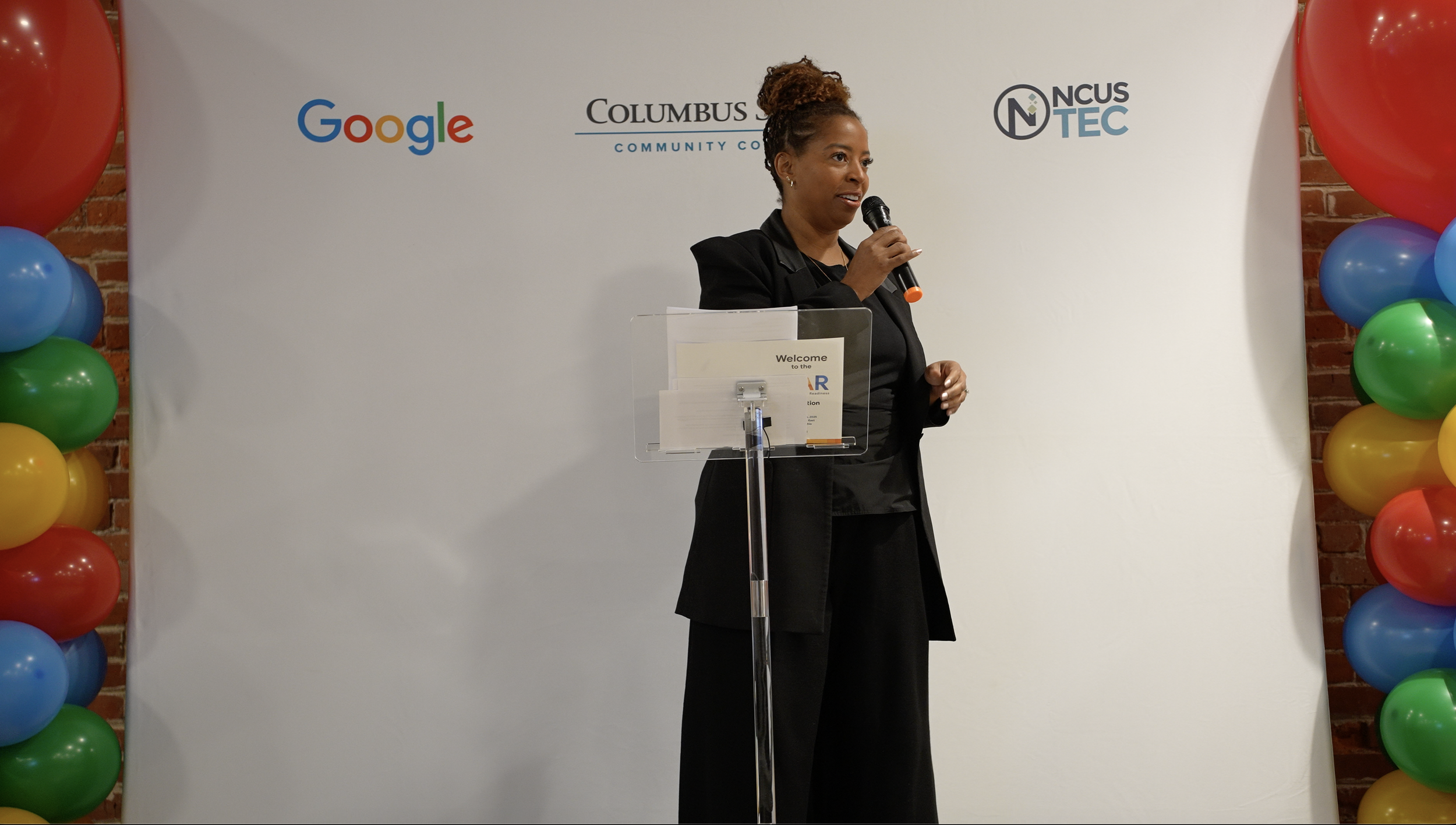
(Photo Caption: Utaukwa Allen speaking a Google STAR Graduation.)
She mentioned that NCUS TEC is a “community institution that’s recognized for providing great services, great educational products,” emphasizing on the organization’s ability to train people and help them find sustainable employment. Students have enrolled and completed the Google STAR program, through NCUS TEC and instructed by the technical institution’s faculty, gaining hands-on, industry-aligned skills that prepare them for careers in high-demand technical fields.
NCUS TEC has graduated 148 students who have completed the program with 90% securing employment. This hands-on, community-centered approach is not limited to workforce development; similar principles are being applied in preventive healthcare. Companies like CVS Health have prioritized preventive care, leveraging their clinical infrastructure to close gaps in access.
Picture of CVS employees in a community setting “Preventive care is about the small things we can do to prevent future problems,” says David Fairchild, MD, Chief Medical Officer for Retail Health and Senior Vice President, CVS Health®.
However, access to preventive care in underserved communities is often limited, and services may come from organizations that are not fully trusted.
Programs like AAMWA’s Black Men’s Wellness Day help fill this gap, reaching more than 100,000 people in 2025 and providing over 30,000 health screenings in 20 cities, bringing the ‘clinic to the community.’
"Our goal is to bring preventive health programs like Black Men’s Wellness Day to cities that prioritize saving lives and recognize the economic value of healthier communities,” said Kenny Hampton, president of AAMWA. “By partnering with corporations, we can scale these initiatives faster and more effectively, allowing all organizations under NCUS to serve as a multiplier that helps companies meet and exceed their workforce, health, and community impact goals."
As these models continue to evolve, organizations and corporations have opportunities to partner with NCUS and demonstrate the power of community-rooted innovation, achieving measurable social impact while strengthening their workforce and corporate mission.